Last Updated: November 2, 2026
Quick Summary
The best mattress for back pain is a medium-firm model that keeps your spine in neutral alignment, cushions pressure points, and holds up over years of use. Medium-firm is the most common recommendation because it balances support and pressure relief, though the label is not standardized across brands. Match firmness to your sleep position and body weight, and confirm the trial and return terms before buying.
- Side sleepers should start at medium to medium-firm to cushion shoulders and hips without letting the lumbar region sag.
- Stomach sleepers need a firm bed to prevent the hips from sinking and arching the lower back.
- Heavier sleepers generally need firmer beds, while lighter sleepers often do better one notch softer.
- The Bear Elite Hybrid uses a zoned coil layer that the Sleep Foundation says provides targeted support.
- The Novaform ComfortGrande is Wirecutter's best memory foam mattress under $1,000 for back pain.
Table of Contents
- Best Mattresses for Back Pain in 2026
- 1. Durable Mattress: Best for Long-Term Support
- 2. Helix Midnight Luxe: Best Hybrid for Cushioning
- 3. Brooklyn Bedding Aurora Luxe: Best Performance Pick
- 4. Saatva Classic: Best Rated for Overall Support
- 5. Bear Elite Hybrid: Best Zoned Support
- 6. Brooklyn Bedding CopperFlex: Best Affordable Memory Foam
- 7. Novaform ComfortGrande: Best Memory Foam Under $1,000
- How to Choose a Mattress for Back Pain
- Frequently Asked Questions
Best Mattresses for Back Pain in 2026
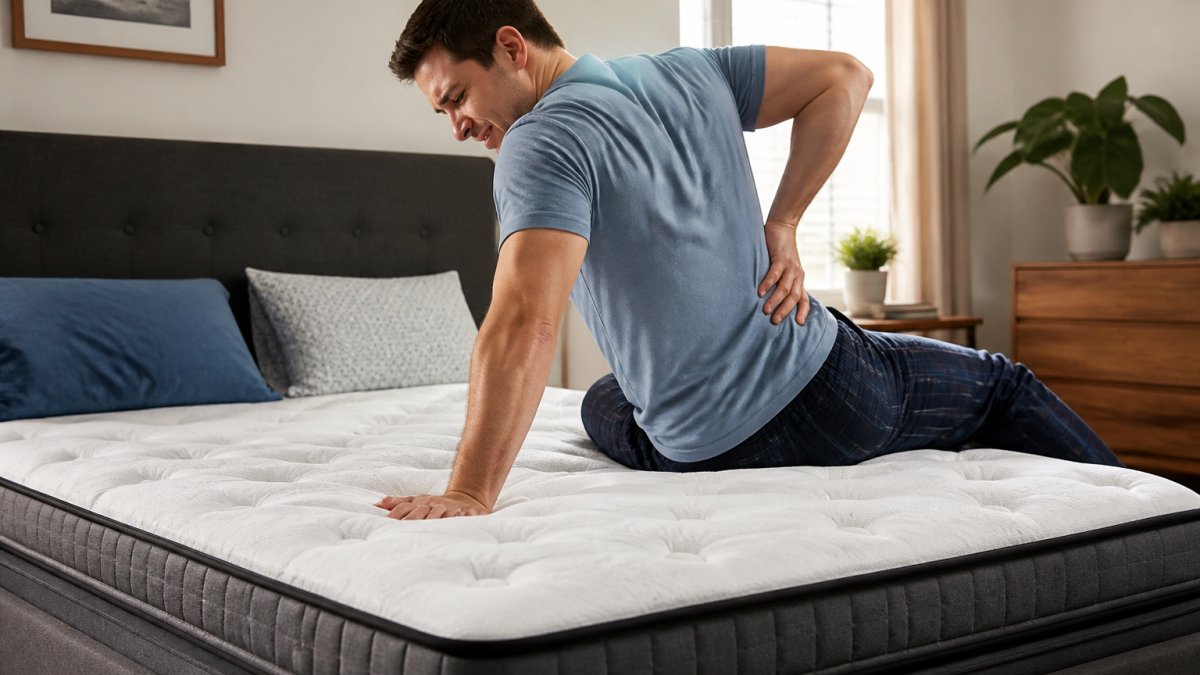
Lower back pain sends millions of Americans to bed each night hoping for relief, and the mattress under them often decides whether they get it. The best mattress for back pain is a medium-firm model that keeps your spine in neutral alignment, cushions pressure points, and holds up long enough to matter.
That last point gets ignored. Most guides rank comfort on night one and never mention night 1,000. Below, we break down seven picks, what each does well, and where each falls short.
Quick Comparison Table
| Mattress | Type | Best For | Standout Feature |
|---|---|---|---|
| Durable Mattress | Hybrid, flippable | Long-term support | 2-sided design, multiple firmness levels |
| Helix Midnight Luxe | Hybrid | Cushioning plus support | Innerspring core, cooling cover option |
| Brooklyn Bedding Aurora Luxe | Performance hybrid | Back-pain shoppers | NapLab back-pain pick |
| Saatva Classic | Innerspring hybrid | Overall support | 5/5 in supplied testing |
| Bear Elite Hybrid | Hybrid | Zoned support | Zoned coil layer |
| Brooklyn Bedding CopperFlex | Memory foam | Budget foam buyers | Praised material quality |
| Novaform ComfortGrande | Gel memory foam | Foam under $1,000 | 14-inch gel foam build |
Ready to see the full lineup? Browse the mattresses or check current deals before you decide.
How We Evaluated
Our criteria start with the basics: does a mattress keep the spine neutral, and does it still do so after years of use?
Two questions drove every ranking: how well does it support the lumbar region, and how long will that support last?
If you're weighing firmness levels, how to choose medium or firm for back pain walks through the trade-offs. For a deeper framework, see our firmness rules for a mattress that fits, and if you want to judge quality yourself, read how to identify mattress quality.
1. Durable Mattress: Best for Long-Term Support
Most mattresses wear out from the top down, and back pain returns as the comfort layer compresses. Durable Mattress attacks that problem with a 2-sided flippable design: when one side shows wear, you flip it and get a fresh sleep surface. That single feature extends the mattress's useful life in a way most beds can't match.
The hybrid construction comes in Medium, Firm, and Soft so you can match firmness to your sleep position and pain pattern.
Best for: shoppers who want one mattress to last a decade or more.
Skip if: you want to test dozens of firmness options in a showroom first.
2. Helix Midnight Luxe: Best Hybrid for Cushioning
Helix's Midnight Luxe balances cushioning with innerspring support, which is exactly the combination back-pain sleepers need. The hybrid core keeps the spine supported while the top layer softens pressure at the hips and shoulders. A cooling cover is available as an option.
The catch is price: a queen runs $1,899, which NapLab notes is higher than the average hybrid. You're paying for the cushioning balance, not value.
3. Brooklyn Bedding Aurora Luxe: Best Performance Pick
NapLab named the Aurora Luxe its best mattress for back pain, and that's a meaningful endorsement from a testing-focused outlet. It's positioned as a performance mattress, meaning the build targets support and responsiveness rather than plushness.
The limitation: published specs and pricing for this model are thin in the sources we reviewed, so confirm the details directly before buying.

4. Saatva Classic: Best Rated for Overall Support
A Yahoo review identified the Saatva Classic as a standout in its back-pain testing, with a 5/5 overall rating. That's a strong score from hands-on testing, and the Classic's innerspring hybrid build is designed for firm, even support.
What the sources don't give us: price and construction specifics. Treat the rating as a starting signal, not the whole story.
5. Bear Elite Hybrid: Best Zoned Support
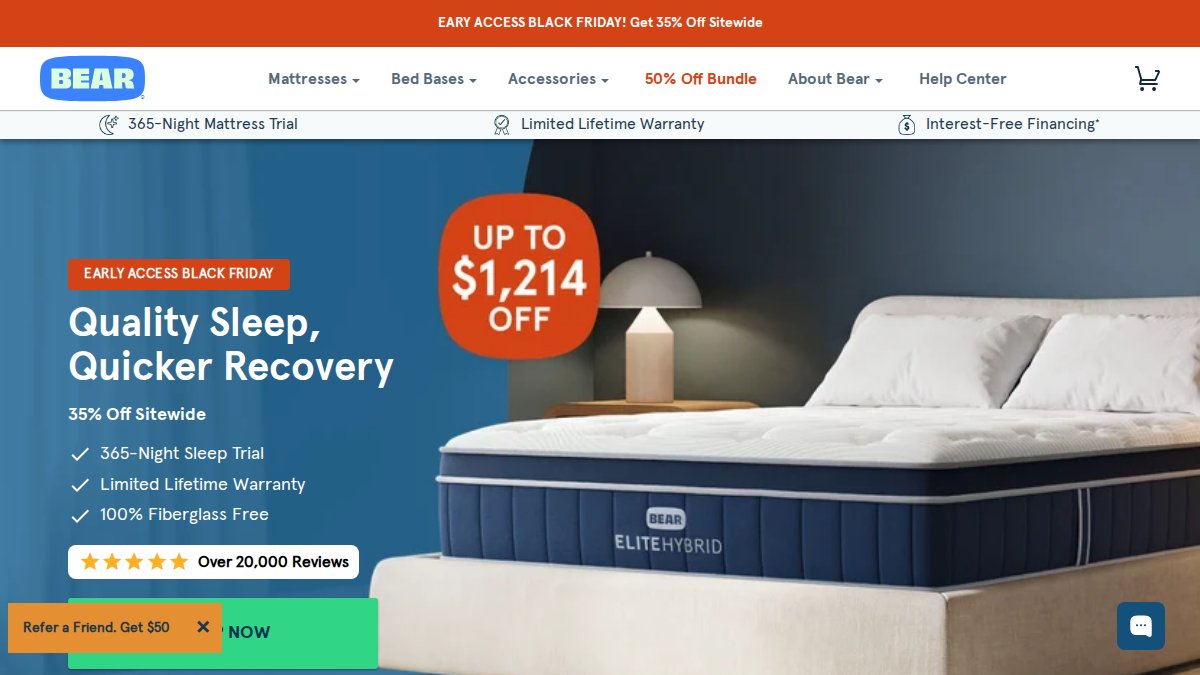
Zoned support matters for back pain because different parts of the body need different firmness. The Bear Elite Hybrid uses a zoned coil layer that the Sleep Foundation says provides targeted support, and that feature helped it win a back-pain category in their testing.
If you carry more weight through your midsection, zoned coils can keep the lumbar region from sinking out of alignment.
6. Brooklyn Bedding CopperFlex: Best Affordable Memory Foam
The Sleep Foundation picked the CopperFlex as its best affordable mattress of 2026, praising its material quality. Memory foam conforms to the body and relieves pressure, which helps many back-pain sleepers, though pure foam can run warm and soften over time. Proper spinal alignment often requires balancing this mattress support with the right pillows for side sleepers to ensure the neck remains neutral throughout the night.
This is the pick if budget is the deciding factor and you want foam's contouring feel.
7. Novaform ComfortGrande: Best Memory Foam Under $1,000
Wirecutter names the Novaform ComfortGrande its best memory foam mattress under $1,000 for back pain. The 14-inch gel memory foam build adds cooling gel to counter foam's heat retention, and the height gives it a substantial feel.
It's a strong value pick, but confirm the exact price at checkout since the source only specifies "under $1,000."
How to Choose a Mattress for Back Pain
Several variables change what a back-pain sleeper needs: sleep position, body weight, and where the pain sits. Use the decision logic below to narrow your options.
Step 1: Match firmness to sleep position
| Sleep position | Firmness starting point | Why |
|---|---|---|
| Side | Medium to medium-firm | Cushions the shoulder and hip so they don't bottom out, while keeping the lumbar region from sagging |
| Back | Medium-firm to firm | Holds the pelvis and rib cage level so the lumbar curve stays neutral |
| Stomach | Firm | Prevents the hips from sinking, which arches the lower back |
| Combination | Medium | A middle ground that rarely fails badly in any position |
Medium-firm is the most common recommendation because it balances support and pressure relief, but "medium-firm" is not standardized. A brand's medium can feel like another brand's firm, so compare each maker's own firmness scale and return policy rather than trusting the label.
Step 2: Adjust for body weight
Heavier sleepers generally need firmer beds to keep from sinking through the comfort layer and losing alignment. Lighter sleepers often find firm beds harsh at the shoulders and hips and do better one notch softer.
Step 3: Factor in pain location
- Lower back: prioritize lumbar support and a neutral pelvis, medium-firm hybrid or firm innerspring.
- Upper back and shoulders: more cushioning at the top of the bed helps, especially for side sleepers.
- Hips: a softer comfort layer over a supportive core reduces hip pressure without letting the pelvis drop.
- Multiple sites: a zoned or hybrid build that varies firmness along the body is usually the safer compromise.
A mattress can improve comfort and alignment, but it is not a medical treatment. Persistent, severe, or radiating pain, or pain with numbness or weakness, warrants evaluation by a clinician, not a mattress purchase.
Step 4: Don't blame the mattress for the whole setup
Alignment is a system, not a single product. Your pillow height should keep your head and neck in line with your spine, a thick pillow on a firm bed can push the neck forward, and a thin pillow on a soft bed can let the head drop. A sagging or too-soft foundation can undermine an otherwise supportive mattress, so check that your bed base is flat, rigid enough for the mattress type, and within the maker's warranty requirements. If you change the mattress and the pain persists, test a different pillow height and confirm the base before concluding the bed is wrong.
Step 5: Separate evidence from marketing
Treat firmness ratings and "best for back pain" labels as informed starting points, weigh them against the trial policy, and judge the result on your own sleep and symptoms.
Step 6: Plan the trial before you buy
A practical plan for judging a new mattress:
- Allow an adjustment window. Most sleepers need several weeks to adapt, so read the return terms before you buy.
- Track outcomes, not vibes. Note morning pain level, how many times you wake, and whether you wake in the same position you fell asleep in.
- Change one variable at a time. Swap the pillow or add a topper before deciding the mattress itself is wrong.
- Know the return terms. Confirm the trial length, any restocking or return-shipping fees, and whether a foundation is required to keep the warranty valid, directly with Durable Mattress or on its website.
If you're still weighing firmness levels, how to choose medium or firm for back pain walks through the trade-offs. For a deeper framework, see our firmness rules for a mattress that fits, and if you want to judge quality yourself, read how to identify mattress quality.
Frequently Asked Questions
What type of mattress do doctors recommend for back pain?
Doctors and sleep experts generally recommend a medium-firm mattress that keeps the spine in neutral alignment while relieving pressure on the lower back. A mattress that is too soft lets the hips sink and strains the lumbar spine, while one that is too firm creates pressure points at the shoulders and hips. Hybrid mattresses with pocketed coils and cushioning layers are often cited because they balance support and conformability. Your sleep position and body weight also affect which firmness works best for you.
Is a harder or softer mattress better for back pain?
Neither extreme is ideal. Research and expert guidance point to medium-firm as the best mattress firmness for back pain because it supports the spine without creating pressure points. A mattress that is too hard can worsen pain at the shoulders and hips, especially for side sleepers. One that is too soft allows the midsection to sag, which strains the lower back. Look for a mattress that contours to your body while keeping your spine level from head to hips.
Is a memory foam or hybrid mattress better for back pain?
It depends on your needs. Memory foam conforms closely to the body and relieves pressure, which helps side sleepers and people with joint pain. Hybrid mattresses combine foam comfort layers with pocketed coils for more support, airflow, and edge stability, which many back sleepers and heavier sleepers prefer. The memory foam vs. hybrid mattress for back pain decision often comes down to whether you need more contouring or more support.
How often should you replace a mattress if you have back pain?
Most mattresses last seven to ten years, but back pain can signal that yours is losing support sooner. Watch for sagging, visible indentations, or waking up stiff. If your mattress is more than seven years old and your pain is worsening, replacing it is worth considering. Check the warranty and trial period before you buy.
Can a mattress cause or worsen back pain?
Yes. A mattress that no longer supports spinal alignment can contribute to morning stiffness and lower back pain. Too-soft surfaces let the hips sink, and too-firm surfaces create pressure at the shoulders and hips. Sleep position matters too: stomach sleepers need firmer support, while side sleepers need cushioning at the pressure points. If pain persists after changing your mattress, talk to a doctor or chiropractor for personalized guidance.
Back pain is unforgiving, and a mattress that sags after two years brings it right back. Durable Mattress builds 2-sided flippable hybrids in Medium, Firm, and Soft so you can match support to your body and extend the bed's life by flipping it. If you're ready to invest in support that lasts, shop Durable Mattress and start sleeping on a mattress built to hold its shape.

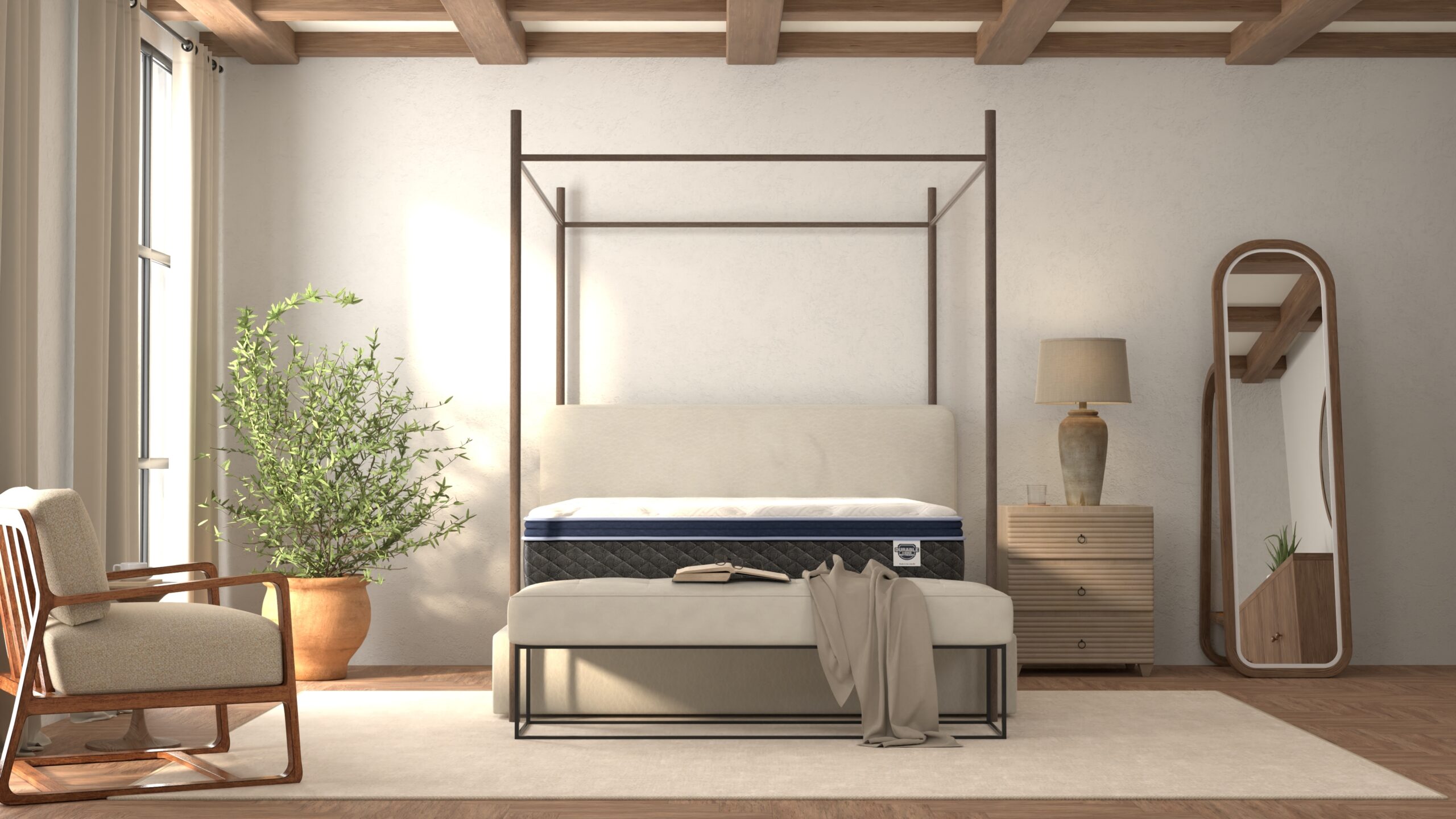
Double the life of your mattress today
Our mattresses will help you get the sleep you need. Not sure which one’s right for you? Check out our firmness guide below.