Last Updated: November 4, 2026
Quick Summary
The best flippable mattress for couples gives you two firmness options in one bed, and Durable Mattress is our top pick with a 2-sided flippable design in Soft, Medium, or Firm. A flippable mattress suits couples whose firmness preferences are close, since both partners sleep on the same surface at once.
- Engineered Sleep Classic Hybrid starts at $720 and is the value pick for budget-conscious couples.
- Original Mattress Factory Two-Sided offers 13 comfort levels starting at $443.
- Zenhaven by Saatva costs $2,395 and pairs a Luxury Plush side with a Gentle Firm side.
- Flip a two-sided mattress every three to six months and rotate head-to-foot on the same schedule.
- Couples more than one firmness step apart should consider split-firmness instead of a flippable bed.
Table of Contents
- Why a Flippable Mattress Makes Sense for Couples in 2026
- Quick Comparison: Best Flippable Mattresses for Couples
- The 6 Best Flippable Mattresses for Couples
- Mattress for Couples With Different Firmness Preferences
- Best Flippable Mattress for Side Sleepers
- Flippable Mattress Motion Isolation: What Partners Should Know
- How Often to Flip a Mattress (And How to Handle It)
- Shop the Durable Mattress Collection
- Frequently Asked Questions
Why a Flippable Mattress Makes Sense for Couples in 2026
A flippable mattress is a two-sided bed built so both surfaces can serve as the sleep surface, which doubles the usable life of the mattress and gives couples two firmness options in one purchase. At Durable Mattress, we build every bed around that idea: a 2-sided flippable design that prevents premature wear instead of hiding it under a pillow top.
Here is the problem many couples run into. One partner wants a soft landing for their shoulders, the other wants a firm deck under their lower back.
That is the real case for a flippable mattress for couples: not a gimmick, but a way to reset the sleep surface and split the firmness difference without buying two beds.
Quick Comparison: Best Flippable Mattresses for Couples
| Mattress | Starting Price | Firmness Options | Best For |
|---|---|---|---|
| Durable Mattress | See site for pricing | Soft, Medium, Firm | Longevity and firmness choice |
| Engineered Sleep Classic Hybrid | $720 | Multiple profiles | Budget-conscious couples |
| Original Mattress Factory Two-Sided | $443 | 13 varieties | Traditional innerspring feel |
| Zenhaven by Saatva | $2,395 | Plush and Firm | Latex and natural materials |
| Plank Firm | $849 | Firm and Ultra-Firm | Very firm support |
| DLX Classic | $1,099 | Limited options | Classic hybrid feel |
The 6 Best Flippable Mattresses for Couples
Durable Mattress: Best Overall for Longevity
Our top pick is our own Durable Mattress, and the reason is simple: the 2-sided flippable design is the whole point of the bed, not an add-on.
The hybrid construction pairs support with comfort, and you choose your firmness level: Soft, Medium, or Firm.
See the soft version, the firm version, or the medium version to match your sleep style.
Best for: couples who want one bed, two firmness options, and a longer replacement cycle.
Engineered Sleep Classic Hybrid: Best Value
At $720, the Engineered Sleep Classic Hybrid is the value play on this list. The two-sided construction and coil-and-foam hybrid give couples balanced support without the premium price. The catch is availability: you will not find it in most showrooms, so you are buying mostly on spec.
Best for: budget-conscious couples who want a durable hybrid.
Skip if: you want to lie on it before you buy.
Original Mattress Factory Two-Sided: Best Firmness Variety
With 13 comfort levels from very firm to very soft, Original Mattress Factory offers the widest firmness range here, starting at $443. The traditional innerspring build suits couples who like a bouncier, more responsive feel. What most guides miss: that traditional feel is exactly what some sleepers want and others cannot stand, so test the feel before committing.
Best for: shoppers who want a traditional innerspring mattress with options.
Skip if: you prefer modern foam or hybrid comfort.
Zenhaven by Saatva: Best Latex Option
Zenhaven is the premium latex pick at $2,395, with a Luxury Plush side and a Gentle Firm side in 100% natural Talalay latex. Latex sleeps cooler and responds faster than foam, which helps couples who run hot. The trade-off is the price, and latex feels firmer than its label suggests.
Best for: couples who want natural materials and a responsive surface.
Skip if: budget is the deciding factor.
Plank Firm Mattress: Best for Very Firm Support
Plank is built for one preference: firm. Both sides are firm or ultra-firm, which makes it a strong match for back and stomach sleepers who want a flat, supportive deck. Side sleepers should look elsewhere, since the surface offers little give at the shoulder and hip.
Best for: couples who both want very firm support.
Skip if: either partner sleeps on their side.
DLX Classic: Best Traditional Feel
The DLX Classic at $1,099 delivers a classic mattress feel with a two-sided design, a supportive coil system, and breathable construction that helps with temperature regulation. Firmness options are fewer than some rivals, so couples with very different preferences may find it limiting.
Best for: couples who want a familiar feel with flip-friendly durability.
Skip if: you need a wide firmness spread.
Mattress for Couples With Different Firmness Preferences
A flippable mattress solves a firmness disagreement only when both partners can live with one of the two surfaces. That is the honest starting point most roundups skip. A two-sided bed gives you two feels, not two independent feels, both partners sleep on the same side at the same time, so the question is whether one surface is acceptable to both people, not whether each person gets their ideal.
Here is how to tell whether a flippable mattress will actually work for your pairing:
- Small preference gap (one step apart): a medium side and a firm side, or a soft side and a medium side, usually covers both partners. This is the scenario where flipping genuinely ends the compromise.
- Large preference gap (two or more steps apart): one partner wants plush, the other wants ultra-firm. A single flippable mattress rarely satisfies both at once, because whichever side is up is the side both people sleep on. Flipping helps over time, not within a single night.
- Weight difference between partners: a lighter partner on a firm surface may feel like they are sleeping on a board, while a heavier partner on a soft surface may bottom out to the support layer. A medium side is usually the safer shared surface when body weights differ by more than roughly 50 pounds.
When a flippable mattress is not enough, couples have three realistic alternatives:
- Split-firmness mattress: each half of the bed is built to a different firmness. This is the only option that gives each partner an independent feel night after night, but it limits you to specific brands and sizes (usually king and sometimes queen), and the seam down the middle is a real comfort variable.
- Split-firmness adjustable air bed: each side inflates to its own firmness setting and can be changed later. The trade-off is more moving parts, a pump, and a feel many couples describe as less plush than foam or latex.
- Two twin XL mattresses on a split king frame: each partner buys their own mattress and firmness. It is the most flexible answer and the most expensive in total, and it requires a frame built for two foundations.
A flippable mattress is the better buy when your preferences are close, when you both want the longevity benefit of two sleep surfaces, or when you want one purchase and one delivery. Split-firmness is the better buy when one of you genuinely cannot sleep on the other's preferred feel. The mistake couples make is buying a flippable bed expecting split-firmness performance, then discovering that the firm side is still the side both of them sleep on.
Watch out: if you and your partner are more than one firmness step apart, test the exact surface you plan to sleep on together before the trial window closes, a flippable mattress cannot be flipped mid-night to satisfy two different preferences.
Best Flippable Mattress for Side Sleepers
The best flippable mattress for side sleepers is one with a softer surface that cushions the shoulder and hip while still supporting the spine. Side sleeping concentrates body weight on a small area, so pressure buildup is the enemy.
For couples where one partner sleeps on their side, look for a model with a soft or medium side rather than an all-firm build. If side sleeping is the priority for both of you, our guide to mattresses for side sleepers breaks down the fit in more detail.
Flippable Mattress Motion Isolation: What Partners Should Know
Motion isolation is how much of one partner's movement reaches the other side of the bed (How We Determine Motion Isolation Ratings).
What drives motion transfer on a flippable mattress
- Support core: pocketed coils isolate motion better than open coils or a continuous wire unit, because each coil moves independently. A traditional innerspring with connected coils transfers movement across the whole surface.
- Comfort layer: memory foam and dense polyfoam absorb movement; latex is responsive and bouncier, so it transfers more motion than memory foam but less than bare coils.
- Surface firmness: firmer surfaces transfer more motion. A soft side dampens movement; a firm side transmits it. This is why the same mattress can feel calm on one side and restless on the other.
How flipping changes the equation
A two-sided mattress has two different comfort builds, so motion isolation is not one number, it is two. The softer side generally isolates motion better. If one partner is a light sleeper and the other is restless, you can consider placing the light sleeper on the softer side, then flip on schedule so wear stays even.
How to test motion transfer as a couple
- Both lie on the mattress in your normal sleep positions, about a foot apart.
- One partner rolls from back to side three times while the other rests a hand flat on the surface and notes how much movement they feel.
- Repeat with the other partner moving.
- Switch sides and repeat, so you test both surfaces.
- Note whether the movement is a quick ripple (acceptable) or a sustained bounce that would wake you.
A common pattern is that couples notice motion most in the first 20 minutes of the night, when both are settling in, and again during position changes.
Watch out: very firm surfaces, including the firm side of a flippable bed, transfer noticeably more motion, so couples who both want ultra-firm support should test motion transfer together rather than assuming a hybrid will be quiet.
How Often to Flip a Mattress (And How to Handle It)
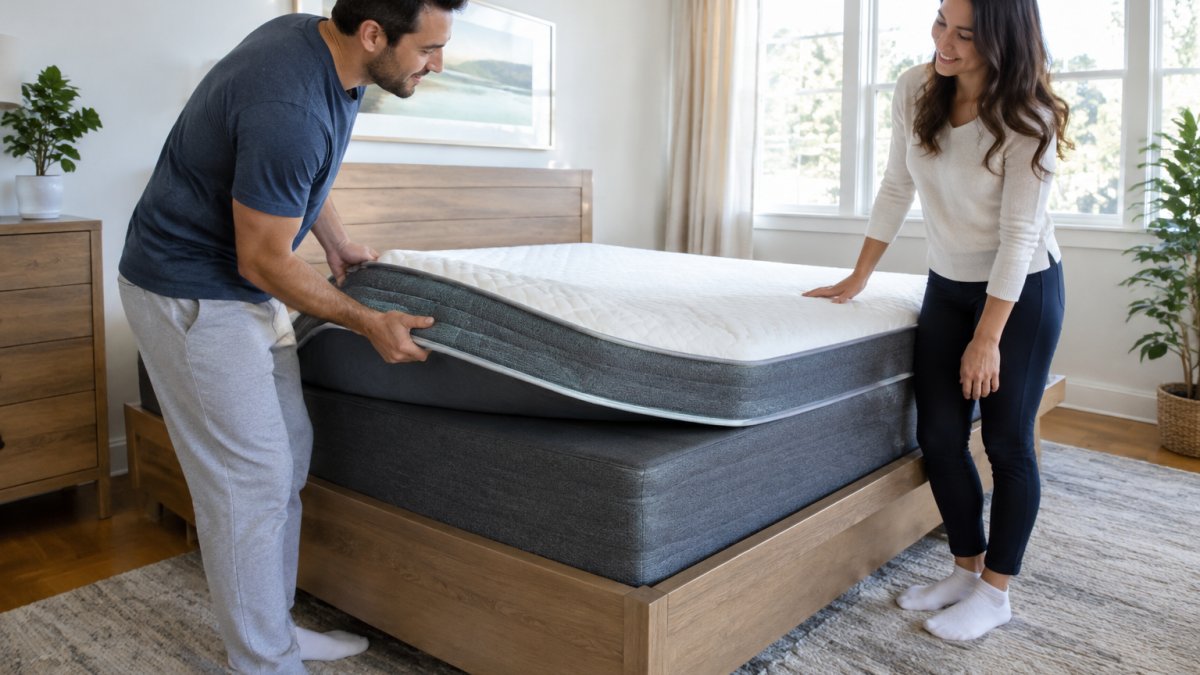
Most two-sided mattresses are commonly flipped every three to six months, and rotated head-to-foot on the same schedule to even out wear. Flipping is the maintenance step that can help a double-sided mattress last longer.
Handling a queen mattress alone is awkward, so flip with two people and clear the floor first. Rotate first, then flip, and keep a calendar reminder so it actually happens. For a step-by-step schedule and technique, read our complete guide to how often to flip a mattress.
Shop the Durable Mattress Collection
The right flippable mattress for couples comes down to two things: a surface each partner can live with, and a build that rewards flipping instead of fighting it. Durable Mattress is built around a 2-sided flippable design, hybrid construction, and Soft, Medium, and Firm options, so couples can choose a firmness level that fits how they both sleep.
Ready to choose your firmness level? Browse the collection and pick the side that fits how you both sleep.
Frequently Asked Questions
Do flippable mattresses last longer than one-sided mattresses?
A flippable mattress typically lasts longer because you rotate the wear across two sleeping surfaces instead of one. With a one-sided mattress, the top comfort layer compresses in the same spots night after night. Flipping spreads that load, which slows sagging and body impressions. How much extra life you get depends on construction, foam density, and how consistently you flip. For couples, the payoff is bigger because two bodies create more concentrated wear.
Can couples with different firmness preferences use the same flippable mattress?
Yes, and this is where a flippable mattress shines. Two-sided mattresses can offer distinct comfort levels on each side, so a couple can agree on one mattress and still get different feels. The catch: you both sleep on the same side at any given time, so you have to pick the side that works for both of you, or flip periodically if preferences shift. If one partner needs soft and the other needs extra-firm, a two-sided mattress with a wide firmness gap is the practical compromise. Talk through firmness before you buy.
How often should you flip a flippable mattress?
Most manufacturers recommend flipping a two-sided mattress every three to six months, and rotating it head-to-foot in between. That schedule keeps wear even and protects the comfort layers from settling in one spot. Couples should lean toward the three-month end because two sleepers concentrate weight in the same zones. Set a calendar reminder, and pair each flip with a quick vacuum of the surface. If you notice body impressions starting to form, flip sooner rather than waiting for the next scheduled date.
Is a flippable mattress good for side sleepers?
It can be, as long as you choose the right firmness side. Side sleepers need pressure relief at the shoulders and hips, so a medium or soft side usually works better than a firm one. A flippable hybrid with a responsive coil core and a cushioned top layer supports the spine while easing pressure points. Very firm surfaces are often a poor fit for side sleepers. Look for a two-sided mattress with at least one medium or plush option, and check the return policy before committing.
How does motion isolation work on a flippable mattress?
Motion isolation depends on the core and comfort layers, not on whether the mattress flips. Foam-heavy two-sided mattresses absorb movement well, while traditional innerspring models transfer more motion across the surface. Hybrids with pocketed coils and dense foam fall in the middle. For couples, test the mattress with a partner if you can, or read reviews from co-sleepers. If one partner is a light sleeper, prioritize models with high-density foam and individually wrapped coils, and avoid open-coil innerspring designs.
Your next step is simple: decide your firmness, then let the flip do the rest. Durable Mattress gives you a 2-sided flippable design built to be flipped, hybrid construction for balanced support, and three firmness levels to match each partner. Get started with Durable Mattress and choose the mattress that lasts longer and sleeps better for both of you.

Last Updated: November 2, 2026
Quick Summary
The best mattress for back pain is a medium-firm model that keeps your spine in neutral alignment, cushions pressure points, and holds up over years of use. Medium-firm is the most common recommendation because it balances support and pressure relief, though the label is not standardized across brands. Match firmness to your sleep position and body weight, and confirm the trial and return terms before buying.
- Side sleepers should start at medium to medium-firm to cushion shoulders and hips without letting the lumbar region sag.
- Stomach sleepers need a firm bed to prevent the hips from sinking and arching the lower back.
- Heavier sleepers generally need firmer beds, while lighter sleepers often do better one notch softer.
- The Bear Elite Hybrid uses a zoned coil layer that the Sleep Foundation says provides targeted support.
- The Novaform ComfortGrande is Wirecutter's best memory foam mattress under $1,000 for back pain.
Table of Contents
- Best Mattresses for Back Pain in 2026
- 1. Durable Mattress: Best for Long-Term Support
- 2. Helix Midnight Luxe: Best Hybrid for Cushioning
- 3. Brooklyn Bedding Aurora Luxe: Best Performance Pick
- 4. Saatva Classic: Best Rated for Overall Support
- 5. Bear Elite Hybrid: Best Zoned Support
- 6. Brooklyn Bedding CopperFlex: Best Affordable Memory Foam
- 7. Novaform ComfortGrande: Best Memory Foam Under $1,000
- How to Choose a Mattress for Back Pain
- Frequently Asked Questions
Best Mattresses for Back Pain in 2026
Lower back pain sends millions of Americans to bed each night hoping for relief, and the mattress under them often decides whether they get it. The best mattress for back pain is a medium-firm model that keeps your spine in neutral alignment, cushions pressure points, and holds up long enough to matter.
That last point gets ignored. Most guides rank comfort on night one and never mention night 1,000. Below, we break down seven picks, what each does well, and where each falls short.
Quick Comparison Table
| Mattress | Type | Best For | Standout Feature |
|---|---|---|---|
| Durable Mattress | Hybrid, flippable | Long-term support | 2-sided design, multiple firmness levels |
| Helix Midnight Luxe | Hybrid | Cushioning plus support | Innerspring core, cooling cover option |
| Brooklyn Bedding Aurora Luxe | Performance hybrid | Back-pain shoppers | NapLab back-pain pick |
| Saatva Classic | Innerspring hybrid | Overall support | 5/5 in supplied testing |
| Bear Elite Hybrid | Hybrid | Zoned support | Zoned coil layer |
| Brooklyn Bedding CopperFlex | Memory foam | Budget foam buyers | Praised material quality |
| Novaform ComfortGrande | Gel memory foam | Foam under $1,000 | 14-inch gel foam build |
Ready to see the full lineup? Browse the mattresses or check current deals before you decide.
How We Evaluated
Our criteria start with the basics: does a mattress keep the spine neutral, and does it still do so after years of use?
Two questions drove every ranking: how well does it support the lumbar region, and how long will that support last?
If you're weighing firmness levels, how to choose medium or firm for back pain walks through the trade-offs. For a deeper framework, see our firmness rules for a mattress that fits, and if you want to judge quality yourself, read how to identify mattress quality.
1. Durable Mattress: Best for Long-Term Support
Most mattresses wear out from the top down, and back pain returns as the comfort layer compresses. Durable Mattress attacks that problem with a 2-sided flippable design: when one side shows wear, you flip it and get a fresh sleep surface. That single feature extends the mattress's useful life in a way most beds can't match.
The hybrid construction comes in Medium, Firm, and Soft so you can match firmness to your sleep position and pain pattern.
Best for: shoppers who want one mattress to last a decade or more.
Skip if: you want to test dozens of firmness options in a showroom first.
2. Helix Midnight Luxe: Best Hybrid for Cushioning
Helix's Midnight Luxe balances cushioning with innerspring support, which is exactly the combination back-pain sleepers need. The hybrid core keeps the spine supported while the top layer softens pressure at the hips and shoulders. A cooling cover is available as an option.
The catch is price: a queen runs $1,899, which NapLab notes is higher than the average hybrid. You're paying for the cushioning balance, not value.
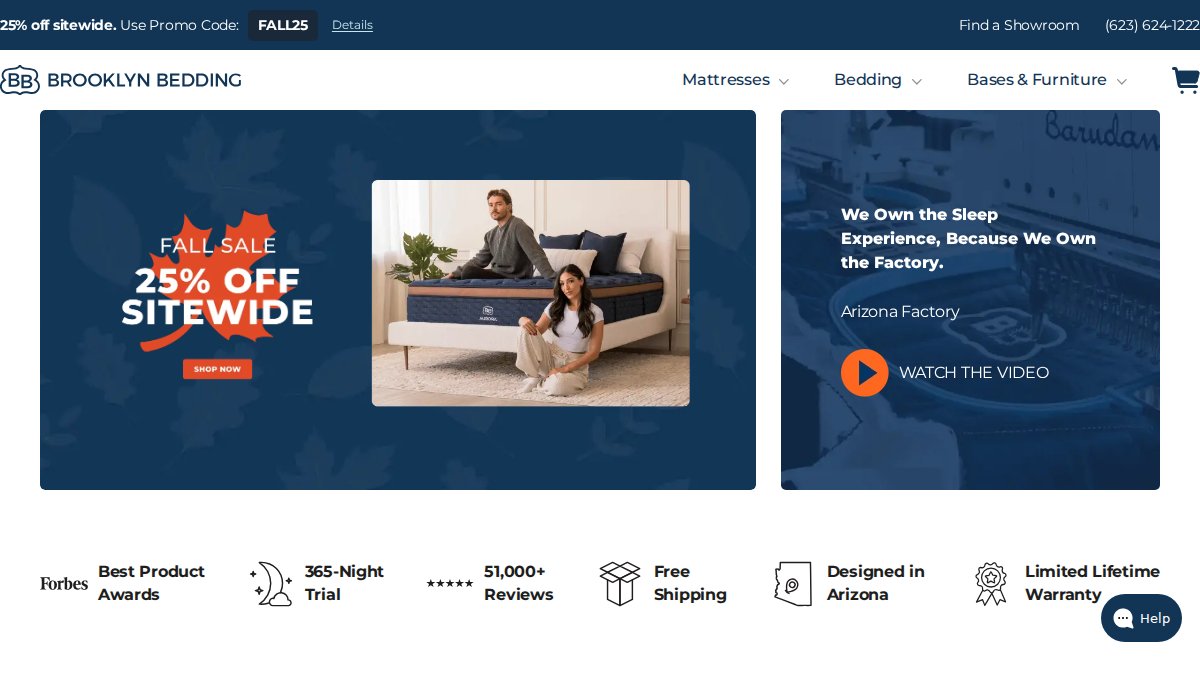
3. Brooklyn Bedding Aurora Luxe: Best Performance Pick
NapLab named the Aurora Luxe its best mattress for back pain, and that's a meaningful endorsement from a testing-focused outlet. It's positioned as a performance mattress, meaning the build targets support and responsiveness rather than plushness.
The limitation: published specs and pricing for this model are thin in the sources we reviewed, so confirm the details directly before buying.
4. Saatva Classic: Best Rated for Overall Support
A Yahoo review identified the Saatva Classic as a standout in its back-pain testing, with a 5/5 overall rating. That's a strong score from hands-on testing, and the Classic's innerspring hybrid build is designed for firm, even support.
What the sources don't give us: price and construction specifics. Treat the rating as a starting signal, not the whole story.
5. Bear Elite Hybrid: Best Zoned Support
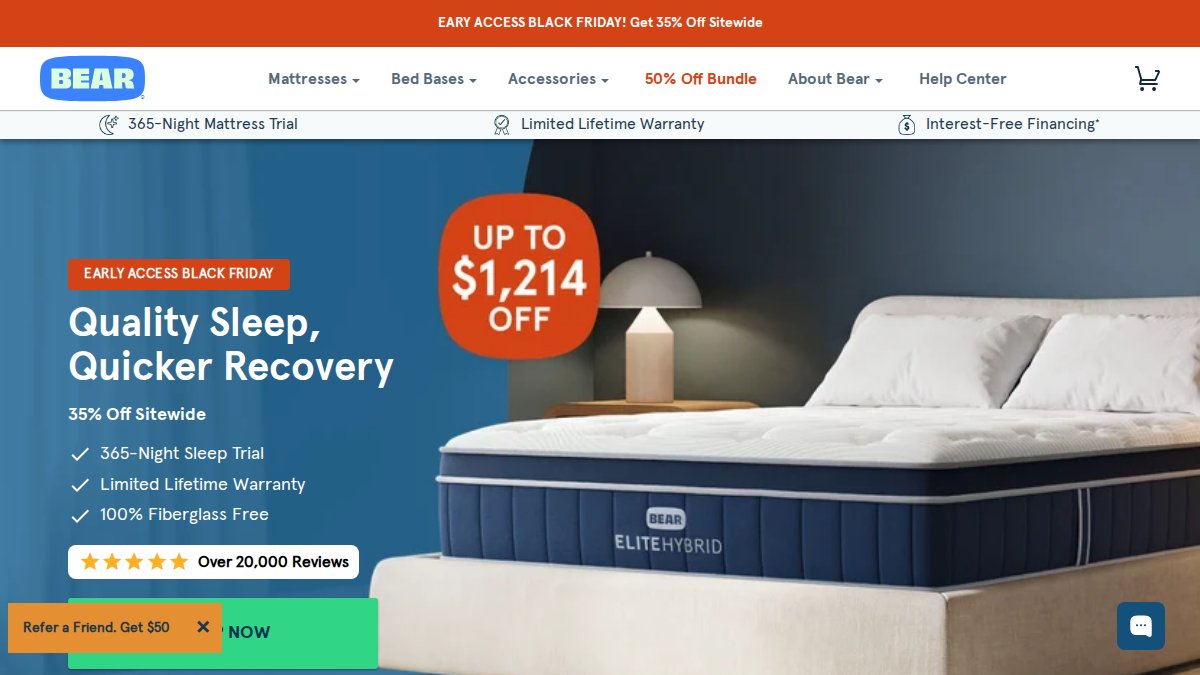
Zoned support matters for back pain because different parts of the body need different firmness. The Bear Elite Hybrid uses a zoned coil layer that the Sleep Foundation says provides targeted support, and that feature helped it win a back-pain category in their testing.
If you carry more weight through your midsection, zoned coils can keep the lumbar region from sinking out of alignment.
6. Brooklyn Bedding CopperFlex: Best Affordable Memory Foam
The Sleep Foundation picked the CopperFlex as its best affordable mattress of 2026, praising its material quality. Memory foam conforms to the body and relieves pressure, which helps many back-pain sleepers, though pure foam can run warm and soften over time. Proper spinal alignment often requires balancing this mattress support with the right pillows for side sleepers to ensure the neck remains neutral throughout the night.
This is the pick if budget is the deciding factor and you want foam's contouring feel.
7. Novaform ComfortGrande: Best Memory Foam Under $1,000
Wirecutter names the Novaform ComfortGrande its best memory foam mattress under $1,000 for back pain. The 14-inch gel memory foam build adds cooling gel to counter foam's heat retention, and the height gives it a substantial feel.
It's a strong value pick, but confirm the exact price at checkout since the source only specifies "under $1,000."
How to Choose a Mattress for Back Pain
Several variables change what a back-pain sleeper needs: sleep position, body weight, and where the pain sits. Use the decision logic below to narrow your options.
Step 1: Match firmness to sleep position
| Sleep position | Firmness starting point | Why |
|---|---|---|
| Side | Medium to medium-firm | Cushions the shoulder and hip so they don't bottom out, while keeping the lumbar region from sagging |
| Back | Medium-firm to firm | Holds the pelvis and rib cage level so the lumbar curve stays neutral |
| Stomach | Firm | Prevents the hips from sinking, which arches the lower back |
| Combination | Medium | A middle ground that rarely fails badly in any position |
Medium-firm is the most common recommendation because it balances support and pressure relief, but "medium-firm" is not standardized. A brand's medium can feel like another brand's firm, so compare each maker's own firmness scale and return policy rather than trusting the label.
Step 2: Adjust for body weight
Heavier sleepers generally need firmer beds to keep from sinking through the comfort layer and losing alignment. Lighter sleepers often find firm beds harsh at the shoulders and hips and do better one notch softer.
Step 3: Factor in pain location
- Lower back: prioritize lumbar support and a neutral pelvis, medium-firm hybrid or firm innerspring.
- Upper back and shoulders: more cushioning at the top of the bed helps, especially for side sleepers.
- Hips: a softer comfort layer over a supportive core reduces hip pressure without letting the pelvis drop.
- Multiple sites: a zoned or hybrid build that varies firmness along the body is usually the safer compromise.
A mattress can improve comfort and alignment, but it is not a medical treatment. Persistent, severe, or radiating pain, or pain with numbness or weakness, warrants evaluation by a clinician, not a mattress purchase.
Step 4: Don't blame the mattress for the whole setup
Alignment is a system, not a single product. Your pillow height should keep your head and neck in line with your spine, a thick pillow on a firm bed can push the neck forward, and a thin pillow on a soft bed can let the head drop. A sagging or too-soft foundation can undermine an otherwise supportive mattress, so check that your bed base is flat, rigid enough for the mattress type, and within the maker's warranty requirements. If you change the mattress and the pain persists, test a different pillow height and confirm the base before concluding the bed is wrong.
Step 5: Separate evidence from marketing
Treat firmness ratings and "best for back pain" labels as informed starting points, weigh them against the trial policy, and judge the result on your own sleep and symptoms.
Step 6: Plan the trial before you buy
A practical plan for judging a new mattress:
- Allow an adjustment window. Most sleepers need several weeks to adapt, so read the return terms before you buy.
- Track outcomes, not vibes. Note morning pain level, how many times you wake, and whether you wake in the same position you fell asleep in.
- Change one variable at a time. Swap the pillow or add a topper before deciding the mattress itself is wrong.
- Know the return terms. Confirm the trial length, any restocking or return-shipping fees, and whether a foundation is required to keep the warranty valid, directly with Durable Mattress or on its website.
If you're still weighing firmness levels, how to choose medium or firm for back pain walks through the trade-offs. For a deeper framework, see our firmness rules for a mattress that fits, and if you want to judge quality yourself, read how to identify mattress quality.
Frequently Asked Questions
What type of mattress do doctors recommend for back pain?
Doctors and sleep experts generally recommend a medium-firm mattress that keeps the spine in neutral alignment while relieving pressure on the lower back. A mattress that is too soft lets the hips sink and strains the lumbar spine, while one that is too firm creates pressure points at the shoulders and hips. Hybrid mattresses with pocketed coils and cushioning layers are often cited because they balance support and conformability. Your sleep position and body weight also affect which firmness works best for you.
Is a harder or softer mattress better for back pain?
Neither extreme is ideal. Research and expert guidance point to medium-firm as the best mattress firmness for back pain because it supports the spine without creating pressure points. A mattress that is too hard can worsen pain at the shoulders and hips, especially for side sleepers. One that is too soft allows the midsection to sag, which strains the lower back. Look for a mattress that contours to your body while keeping your spine level from head to hips.
Is a memory foam or hybrid mattress better for back pain?
It depends on your needs. Memory foam conforms closely to the body and relieves pressure, which helps side sleepers and people with joint pain. Hybrid mattresses combine foam comfort layers with pocketed coils for more support, airflow, and edge stability, which many back sleepers and heavier sleepers prefer. The memory foam vs. hybrid mattress for back pain decision often comes down to whether you need more contouring or more support.
How often should you replace a mattress if you have back pain?
Most mattresses last seven to ten years, but back pain can signal that yours is losing support sooner. Watch for sagging, visible indentations, or waking up stiff. If your mattress is more than seven years old and your pain is worsening, replacing it is worth considering. Check the warranty and trial period before you buy.
Can a mattress cause or worsen back pain?
Yes. A mattress that no longer supports spinal alignment can contribute to morning stiffness and lower back pain. Too-soft surfaces let the hips sink, and too-firm surfaces create pressure at the shoulders and hips. Sleep position matters too: stomach sleepers need firmer support, while side sleepers need cushioning at the pressure points. If pain persists after changing your mattress, talk to a doctor or chiropractor for personalized guidance.
Back pain is unforgiving, and a mattress that sags after two years brings it right back. Durable Mattress builds 2-sided flippable hybrids in Medium, Firm, and Soft so you can match support to your body and extend the bed's life by flipping it. If you're ready to invest in support that lasts, shop Durable Mattress and start sleeping on a mattress built to hold its shape.
Table of Contents
- What Double Sided Mattresses Are and How They Work
- How Often to Flip a Mattress for Maximum Lifespan
- Even Wear and Reduced Body Impressions
- Flippable Mattress vs. One-Sided Mattress: Key Differences
- How to Flip a Mattress Safely and Effectively
- Long-Term Cost Effectiveness and Value
- Who Benefits Most From Double Sided Mattresses
- Conclusion
- Frequently Asked Questions
Last Updated: October 16, 2026
What Double Sided Mattresses Are and How They Work
A double sided mattress is a flippable bed with two distinct sleep surfaces, each built for comfort and support. Unlike one-sided mattresses, both the top and bottom of a double sided mattress are designed for sleeping, so you can flip it periodically to distribute wear evenly.
Construction typically combines foam comfort layers with innerspring or coil support systems. Flipping regularly rotates which side bears your body weight, preventing the concentrated wear that leads to permanent impressions and sagging, and extending usable lifespan versus one-sided alternatives.
At Durable Mattress, we build our flippable mattresses with this principle at the core. Our hybrid collection balances cushioning comfort with durable support in medium, firm, and soft, so you can choose the feel that suits you.
How Often to Flip a Mattress for Maximum Lifespan
Most manufacturers recommend flipping a double sided mattress every three to six months. Exact frequency depends on body weight, sleep position, and how many people share the bed.
Heavier individuals or those who sleep in the same spot nightly should flip every three months; lighter sleepers or couples who rotate positions can stretch to six months. Tying the routine to seasonal changes makes it easier to remember.
The goal is simple: prevent any single area from bearing concentrated pressure too long. Consistent flipping keeps any part from compressing permanently, separating a mattress that lasts a decade from one that sags after three years.
Mark your calendar when you flip. A consistent schedule prevents the "I think I flipped it last month" confusion that leads to skipped rotations and premature wear.
Even Wear and Reduced Body Impressions
Body impressions are permanent indentations that form where your torso, hips, and shoulders rest night after night. On a one-sided mattress, body weight compresses the foam and support layers into your shape, and over time that compression becomes permanent, costing you proper support.
A double sided mattress distributes pressure across two surfaces. Flipping every few months gives the loaded side a rest period to recover while the opposite side handles the load, dramatically reducing the depth and speed of impression formation.
The difference shows after two to three years: a one-sided mattress often has clear body-shaped depressions, while a properly maintained double sided mattress stays relatively flat on both surfaces, keeping its support structure and comfort profile. That even wear is why flippable mattresses typically outlast traditional designs by several years.
The ability to flip distributes wear across two surfaces instead of concentrating it on one. This simple mechanic is the primary reason double sided mattresses last longer and feel supportive for a decade or more.
Flippable Mattress vs. One-Sided Mattress: Key Differences
The core difference between a flippable mattress and a one-sided mattress is construction and durability strategy. A one-sided mattress has a single comfort surface over a base layer not meant for sleeping; once the top compresses, you're stuck with a degrading experience until replacement.
A flippable mattress is engineered as two complete sleep systems stacked back-to-back, both with full comfort and support layers. Each flip switches you to a genuinely fresh sleep surface, not just a worn side rotated back into use.
| Feature | Double Sided Mattress | One-Sided Mattress |
|---|---|---|
| Sleep surfaces | Two full, usable surfaces | One optimized surface |
| Flipping benefit | Extends lifespan by 40-60% | No benefit; cannot flip |
| Body impression timeline | 5-7 years to noticeable depth | 2-3 years to significant sagging |
| Long-term support | Maintains firmness across lifespan | Degrades progressively |
| Repair options | Flip to fresh surface when worn | Replace mattress |
| Best for | Long-term value seekers | Budget-conscious buyers accepting shorter lifespan |
One-sided mattresses cost less upfront because manufacturers skip half the construction. Flippable mattresses require twice the engineered layers, raising the initial investment, but cost-per-year often favors the flippable design because you replace it less often.
How to Flip a Mattress Safely and Effectively
Flipping a mattress safely takes two people and proper technique to avoid strain or damage:
First, strip all bedding and clear the floor around the bed. Remove any bed frame components in the way, and if the mattress is in a tight corner or against a wall, move it to the center of the room.
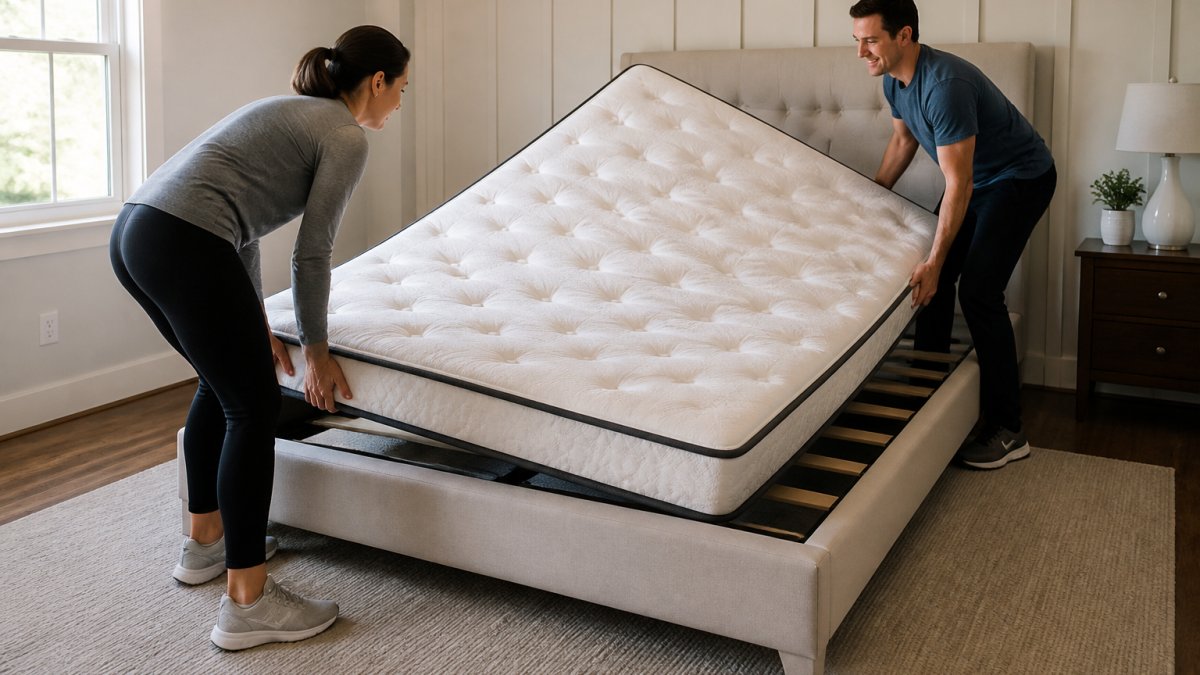
Stand on opposite sides, one person at the head and one at the foot. Bend at your knees, not your waist, and grip the edges or handles firmly. On the count of three, lift together, rotate 180 degrees so the head end becomes the foot end, then flip so the bottom faces up, rotating and flipping at once is the most efficient method.
For heavy mattresses or mobility concerns, a mattress flipper tool or furniture dolly reduces strain. Some prefer to rotate first (spin 180 degrees without flipping), then flip on a separate occasion, slower, but less physically demanding.
After flipping, let the mattress settle for a few hours before making the bed so compressed areas can begin recovering. If you notice odors or moisture, ventilate the room before sleeping on the newly flipped side.
Never flip a mattress alone if it weighs over 100 pounds. Attempting to lift and rotate solo significantly increases injury risk to your back, shoulders, and wrists. A second person or mechanical aid is worth the effort.
Long-Term Cost Effectiveness and Value
The usual line is that a double sided mattress costs more upfront but lasts longer, so it wins on cost per year.
The basic cost-per-year formula
Cost per year = purchase price ÷ realistic years of service. The catch is that "realistic years of service" depends far more on materials and construction than on whether the mattress flips.
The honest framing: flipping is a multiplier on good construction, not a substitute. A two-sided mattress made with low-density foam will still break down, just on a slightly longer timeline.
A transparent example
Suppose a one-sided mattress costs $1,000 and serves 6 years, about $167 per year.
The lesson: run the numbers with your own price quotes and a conservative lifespan estimate for each option. Do not accept "lasts twice as long" as a given.
What actually drives lifespan
- Support core density and gauge. Higher-density foam and heavier-gauge coils resist compression longer. This matters more than the number of sleep surfaces.
- Comfort layer quality. Low-density comfort foam is the first thing to break down, on either design.
- Foundation and frame support. A sagging or flexing foundation accelerates wear regardless of how often you flip.
- Body weight and sleep position. Higher weight and a fixed sleep position concentrate load and shorten life on any mattress.
- Rotation and flipping discipline. Consistent flipping is what unlocks the two-sided advantage. Skip it and you are paying a premium for a feature you are not using.
The non-financial value
Cost per year is not the only variable. Fewer replacement cycles mean fewer shopping trips, delivery windows, and disposal hassles, real value if you dislike the mattress-buying process, even when dollar savings are modest.
When one-sided makes more sense
Treat the value claim as a calculation, not a slogan. Compare upfront price against a conservative lifespan estimate for each specific mattress, and remember that construction quality sets the ceiling while flipping only helps you reach it.
Who Benefits Most From Double Sided Mattresses
Whether a double sided mattress is worth it depends less on the mattress than on you: sleep position, body weight, how you use the bed, and whether you'll keep up with flipping.
By sleep position
- Side sleepers concentrate pressure at the hips and shoulders, which is exactly where one-sided mattresses develop deep impressions first. A flippable design lets you move that load to a fresh surface, so side sleepers tend to see the clearest benefit. They also generally need a softer, more contouring surface to keep the spine aligned, so a soft or medium flippable model is often the better match.
- Back sleepers need even support along the spine and are usually well served by a medium to medium-firm feel. Because they tend to sleep in a consistent position, they also concentrate wear in predictable zones, another good case for flipping.
- Stomach sleepers need a firmer surface to keep the hips from sinking and the lower back from arching. They often move around more during the night, which spreads pressure and can mean slightly slower wear. The benefit of flipping is real but less dramatic for this group.
- Combination sleepers who shift positions throughout the night distribute load more evenly, so they may see a smaller durability advantage from flipping.
By body weight
Higher body weight accelerates compression on any mattress, most pronounced on lower-density comfort layers. Sleepers above roughly 200 pounds often find a one-sided mattress softens noticeably within a few years, making the dual-surface design of a flippable mattress more valuable.
Lighter sleepers put less stress on the comfort layers and may find that a well-built one-sided mattress lasts long enough that the flipping advantage is modest.
By firmness preference
Firmness is personal, but the guidance holds: softer contours more and suits side sleepers and lighter bodies; firmer supports more and suits back and stomach sleepers and heavier bodies.
Who should not flip a mattress
This is the part most benefit pages leave out. Do not flip:
- One-sided mattresses. Many modern beds have a single sleep surface and a non-sleepable base. Flipping puts you on the support core.
- Mattresses with a designated head and foot. Some two-sided models are built to be rotated end-to-end, not turned over. Check the law tag or care instructions.
- Mattresses with structural damage. A torn cover, exposed coils, or a broken edge support will not be fixed by flipping.
- Anyone unable to handle the weight safely. If lifting and turning the mattress is a strain or a fall risk, rotation-only or a professional service may be the better routine.
A quick self-check
If you sleep mainly on your side or back, weigh above roughly 200 pounds, plan to keep the mattress for years, and will commit to flipping every few months, a double sided mattress is likely a strong fit.
The benefit of a double sided mattress is conditional. It rewards sleepers who concentrate pressure in fixed spots, carry more weight, and will actually flip on schedule. For everyone else, construction quality matters more than the number of sleep surfaces.
Conclusion
Double sided mattresses address a fundamental problem with traditional design: concentrated wear in predictable locations. Distributing pressure across two sleep surfaces through regular flipping extends lifespan, maintains support, and reduces costly replacements.
The durability advantage is real: a properly maintained double sided mattress resists body impressions and sagging significantly longer than a one-sided alternative, delivering genuine long-term value for anyone wanting a decade or more of performance.
Durable Mattress engineers our flippable collection with this principle at the core. Our hybrid construction, in medium, firm, and soft, balances comfort and durability to make flipping worthwhile, an investment in years of consistent, supportive sleep rather than repeated replacements.
Consumer Reports mattress durability testing
Sleep Foundation guide to mattress lifespan and care
American Chiropractic Association recommendations on mattress support
Frequently Asked Questions
Are double sided mattresses more durable than one-sided mattresses?
Yes, double sided mattresses typically last longer because flipping distributes wear across both surfaces. One-sided mattresses concentrate all body weight and pressure on a single comfort layer, causing faster sagging and deterioration. By rotating use between two surfaces, flippable designs extend the overall lifespan and maintain consistent support longer than traditional one-sided options.
How often should you flip a double-sided mattress?
Most manufacturers recommend flipping every 3 to 6 months for optimal wear distribution. Some suggest rotating quarterly and flipping semi-annually. The exact frequency depends on your mattress construction, body weight, and sleep position. Heavier sleepers may benefit from more frequent flipping. Check your mattress care guidelines for brand-specific recommendations to maximize longevity.
What are the main benefits of a double-sided mattress?
The primary benefits include extended lifespan through even wear distribution, reduced body impressions and sagging, improved long-term comfort consistency, and better value over time. Double sided mattresses also offer flexibility if you prefer switching between firmness levels, and they reduce the need for early replacement, making them a cost-effective investment for homeowners seeking durability.
Is flipping a mattress really worth the effort?
Yes, regular flipping significantly extends mattress life and prevents premature sagging. While it requires minimal effort every few months, the payoff is substantial: you avoid replacing your mattress every 5-7 years and instead enjoy 10+ years of consistent support. For value-conscious buyers investing in quality construction, the maintenance effort is worthwhile and pays dividends in long-term comfort and cost savings.
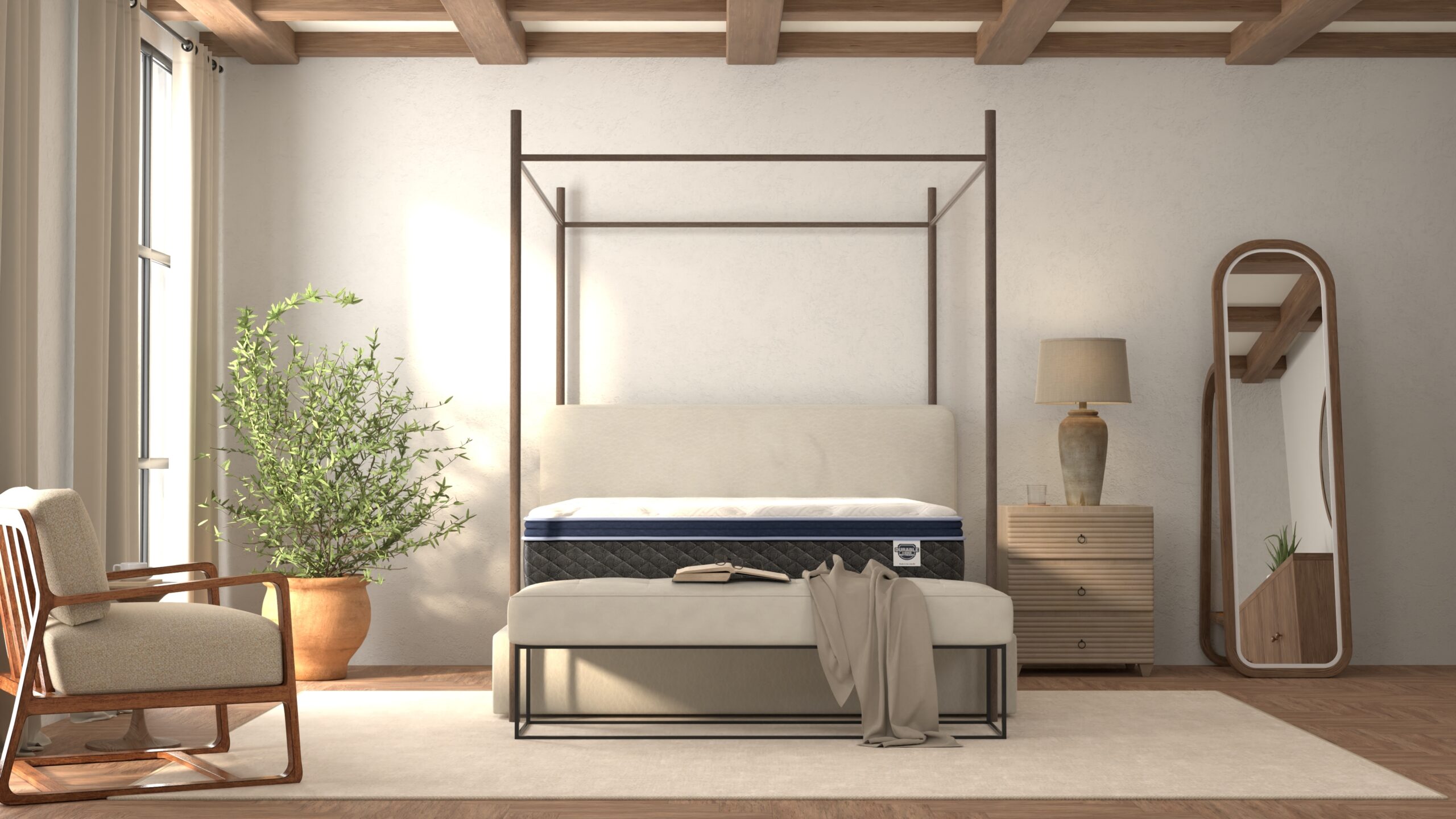
Double the life of your mattress today
Our mattresses will help you get the sleep you need. Not sure which one’s right for you? Check out our firmness guide below.